
Through a first person narrative, The Lost Month uses live action and animated transitions to explore Joe Dean’s emotional state of being with, and without, medication.
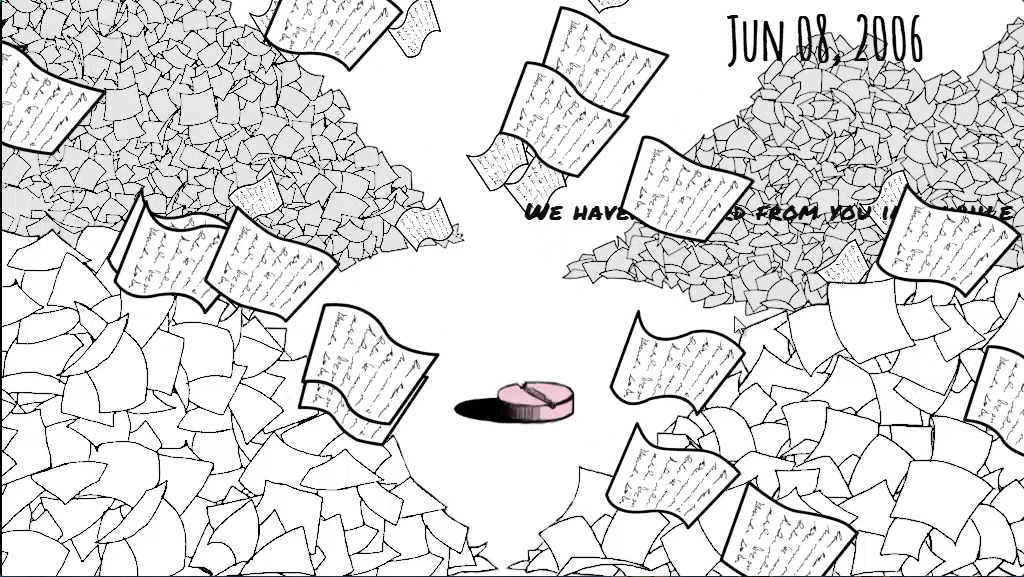
It’s for the Best aims to make the psychological addiction to ADD medication and feelings of self-doubt associated with the disorder emotionally tangible to players. The game does not propose that medication per se is bad, but aims to raise awareness for how the need for medication and the struggle with ADD can make you feel.

Using dance as a metaphor, the short film, Re-embody, explores the progression of healing as a body discovers that it holds the unconscious secrets to rebirth, housed in physical memories that surface when the mind can be stilled.
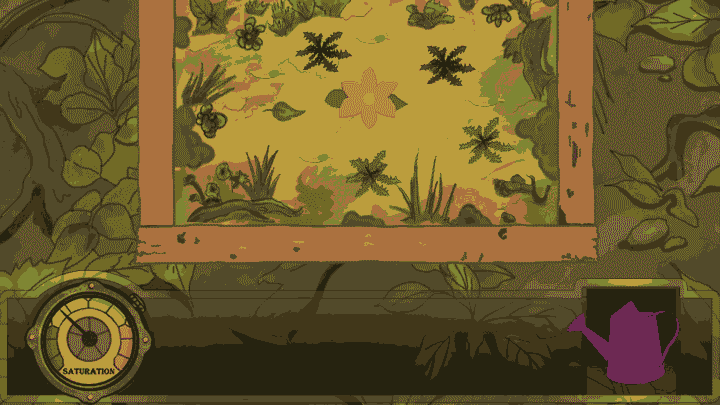
A game about the eating disorder anorexia nervosa, a phenomenon fraught with misconceptions (e.g. anorexics starve themselves simply to look thinner), Perfection plays with perceptions of beauty and ‘perfection’ to enable an experiential understanding of why someone would starve themselves.

Through the animated lens of a personal memory, Ritual explores the idea of cleansing or healing rituals that permeate the life of an individual experiencing OCD.

In Into Darkness, the player explores an ever-growing maze, a metaphorical representation of the obsessive compulsion to perform annoying rituals in order to fend off anxiety. The player is literally trapped in the disorder.
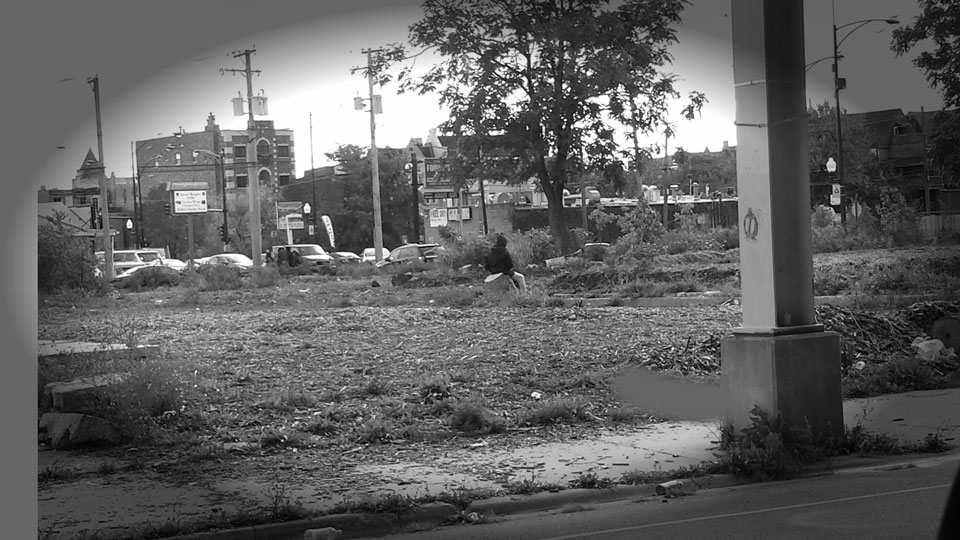
A photo essay with a personal narration, Homeless explores depression, a manifestation of BiPolar Disorder, and the lack of understanding that surrounds it.

In FLUCTuation, the game’s design is motivated by the wish to communicate incomprehensible behavior of people with bipolar to their friends and families in order to open up a dialogue about the experience and alleviate alienation from loved ones.